Zendesk vs Freshdesk: Detailed Comparison and Which One to Choose in 2026

Ed Nunez
Marketing

Introduction
When your support team is under pressure, every tool decision matters. Zendesk and Freshdesk dominate the helpdesk space, but in 2025 the question isn’t just about price — it’s about which platform actually fits the way your business works.
Both deliver multi-channel support, automation, and reporting, and both can handle high ticket volumes. Where they differ is in how they scale, integrate, and empower teams.
This guide breaks it down so you can choose with confidence. Here’s what we’ll cover:
- Company background — including who they’re built for
- Scalability and user preferences — how each platform grows with you
- Core features and automation — from multi-channel support to AI
- Pricing structures — what you really get for your money
- Integrations and extensibility — how they fit into your tech stack
- Reporting and analytics — turning data into action
- Use case recommendations — which platform makes sense for your team
- And another platform worth considering
With this framework, you’ll be able to choose a solution that not only meets today’s demands but also adapts to tomorrow’s.
Company Background
Before choosing a platform, it helps to know where each one comes from. Zendesk and Freshdesk were built with very different customers in mind — and those roots still shape how they perform today.
Zendesk: The enterprise heavyweight. Built for large organizations juggling multiple brands, complex workflows, and compliance-heavy environments. Its Sunshine platform and robust APIs (Application Programming Interfaces) turn Zendesk into more than a ticketing system — it’s a CX (Customer Experience) backbone.

Freshdesk: The SMB (Small and Medium-Sized Business) favorite. Fast to deploy, easy to use, and affordable. Startups and smaller teams love Freshdesk for its quick onboarding and integration with the broader Freshworks suite (Freshsales, Freshchat, Freddy AI).
What this means: Zendesk leans into scale and complexity, while Freshdesk prioritizes speed and accessibility.
User Preference and Scalability
Not every business grows the same way. Some expand across regions with complex workflows, while others just need to get a small team running quickly. Scalability isn’t only about handling more tickets — it’s about whether your platform grows with you or slows you down.
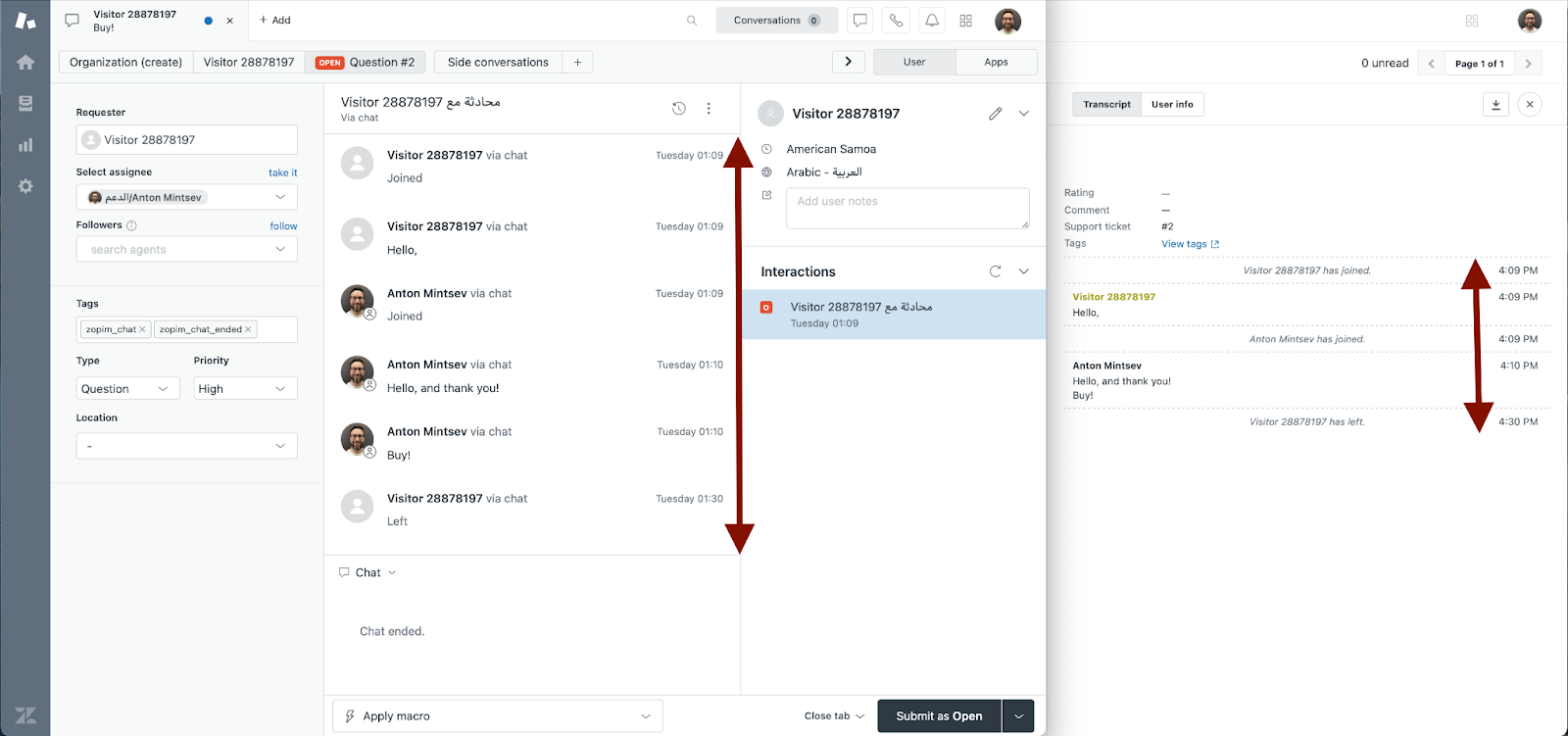
Zendesk: Consistently chosen by organizations with ambitious growth plans. Enterprises lean on Zendesk because it can support global teams, layered permissions, and multi-brand environments without breaking. For companies with complex support operations, Zendesk offers the flexibility to design workflows and automations that scale alongside the business.
Freshdesk: Favored by SMBs and startups for its speed and simplicity. The intuitive interface means teams don’t spend weeks configuring settings before they can serve customers. Smaller organizations often choose Freshdesk because it delivers value quickly and keeps admin overhead low — a critical factor when resources are tight.
What this means: Zendesk wins with enterprises that need global scalability and advanced customization, while Freshdesk resonates with lean teams that prioritize speed over complexity.
Feature Set Breakdown
Features can make or break agent productivity. This is where the everyday battles are won or lost: multi-channel support, AI, and collaboration. Get these right and your team moves fast; get them wrong and you’re stuck in the weeds.
Multi-Channel Support
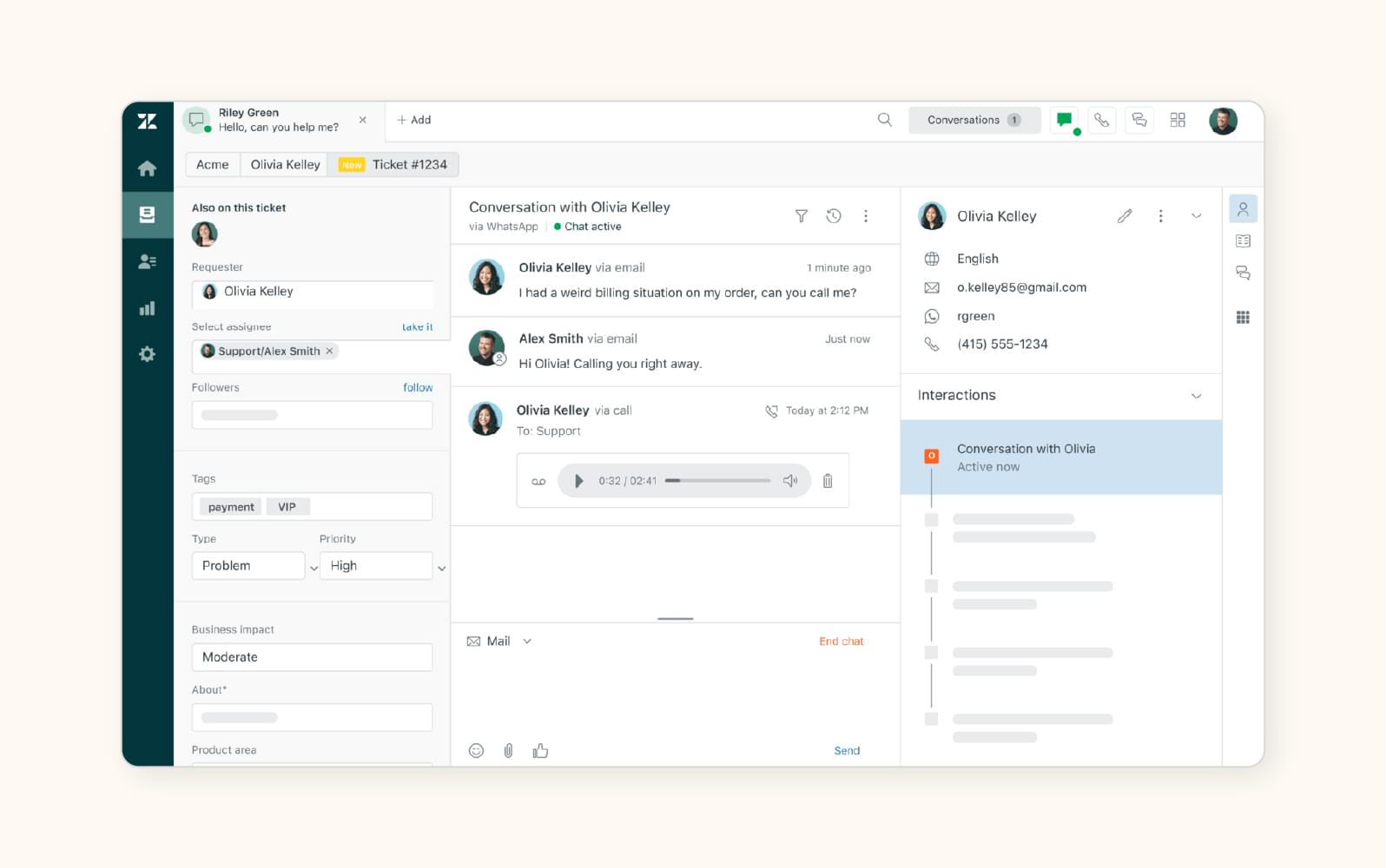
- Zendesk: Pulls everything into one timeline — email, chat, phone, social, messaging — so agents never lose context.
- Freshdesk: Covers the same ground but splits channels into separate tabs. It works, but agents spend more time jumping between views.
AI & Automation
- Zendesk: Leverages massive enterprise datasets to deliver predictive AI. Smarter routing, contextual suggestions, and semantic search mean less manual triage.
- Freshdesk: Freddy AI brings autotriage, sentiment analysis, and customizable bots — easy to set up, but lighter in depth.
Collaboration Tools
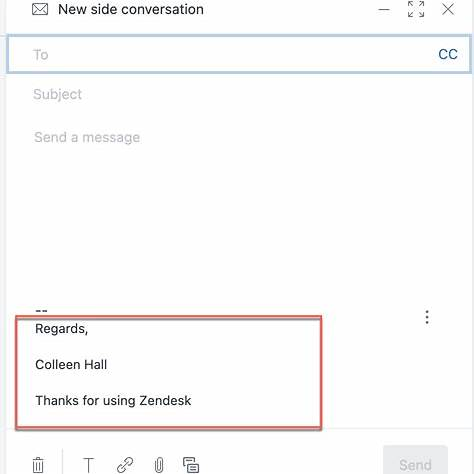
- Zendesk: Built-in side conversations and embedded collaboration keep agents aligned without leaving tickets.
- Freshdesk: Relies on Freshconnect, a separate app. Functional, but more fragmented.
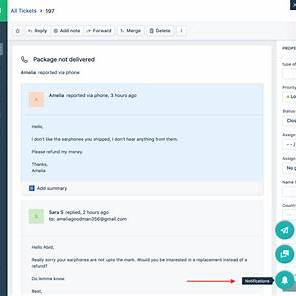
What this means: Features aren’t just checkboxes. They decide whether agents spend their time solving customer problems — or wrestling with their software.
Pricing and Cost Efficiency
Budgets are tight, but cutting corners on support often costs more in the long run. Zendesk and Freshdesk take very different approaches to pricing and value.
Freshdesk: Starts free, with paid tiers unlocking automation, SLAs (Service Level Agreements), and reporting. Perfect for SMBs (Small and Medium-Sized Businesses) that want a budget-friendly entry point without heavy commitments.
Zendesk: Comes with a higher upfront cost, but it’s tied to advanced CX (Customer Experience) capabilities. For enterprises, the ROI shows up in reduced handling time, deeper automation, and stronger workforce efficiency.
What this means: Freshdesk minimizes sticker shock. Zendesk minimizes hidden costs. The real question isn’t what you’ll pay today — it’s what the wrong choice could cost you tomorrow.
Integrations and Extensibility
Your helpdesk doesn’t stand alone — it has to work with the tools your team already uses. The real difference between Zendesk and Freshdesk isn’t if they integrate, but how far those integrations can take you.
Zendesk: Offers more than 1,200 integrations. Its Sunshine platform powers custom workflows and advanced CRM (Customer Relationship Management) functionality, making it a strong fit for enterprise ecosystems that demand scale and complexity.
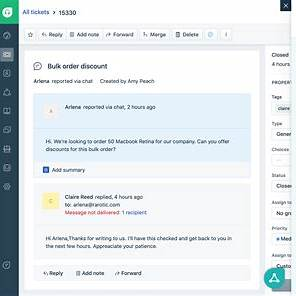
Freshdesk: Brings over 1,000 integrations, with Zapier filling in the gaps. It works best if you lean into the broader Freshworks suite, but can feel more limited when you need advanced customization.
What this means: Zendesk gives enterprises a true integration backbone, while Freshdesk offers simpler connections better suited for smaller teams.
Reporting & Analytics
Support data isn’t just numbers; it’s the story of how your team performs and how customers really feel. The right reporting turns that story into action — the wrong one leaves you flying blind.
Zendesk: Delivers advanced analytics with real-time dashboards, workforce management (WFM), and quality assurance (QA) built in. Perfect for data-driven operations that need to track not just what’s happening, but why.
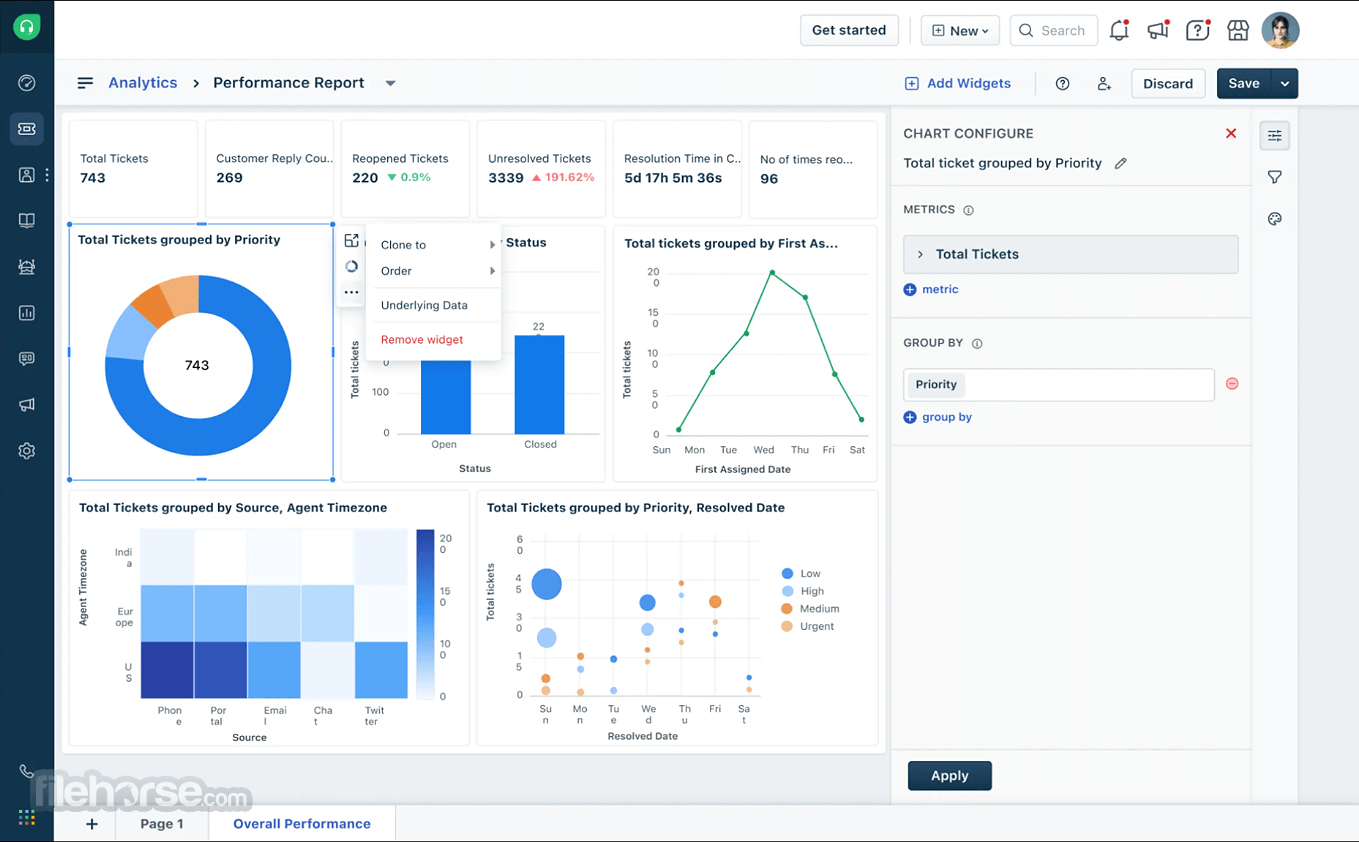
Freshdesk: Covers the basics — resolution times, CSAT (Customer Satisfaction), ticket volumes. It’s enough for small teams, but deeper insights require third-party add-ons or manual exports, which can slow down decision-making.
What this means: Zendesk turns support data into a strategy. Freshdesk keeps score, but leaves the heavy analysis up to you. For leaders making high-stakes decisions, that difference can define success or stagnation.
Use Case Recommendations — and What’s Still Missing
No two companies share the same support challenges. These recommendations highlight where Zendesk or Freshdesk makes the most sense based on business size and complexity.
Zendesk: Built for Scale, Depth, and Enterprise Complexity
- Large Enterprises & Multi-Brand Organizations: Designed for layered teams, multiple brands, or global operations that need centralized oversight and granular permission management.
- Customization-Heavy Workflows: Best for companies needing advanced workflow automations, deep API extensibility, and ITSM integrations (like Jira or Okta).
- AI & Analytics-Driven Support: Perfect for organizations where predictive routing, real-time analytics, and workforce management are must-haves.
Freshdesk: Fast Value for Growing SMBs
- SMBs & Startups: Ideal for smaller businesses that need a quick setup without heavy admin overhead.
- All-in-One Affordability: Delivers multi-channel support and core automations at a price point SMBs can handle.
- Simplicity over Customization: Works best when the need is straightforward ticketing, not deep backend customization.
This approach keeps both cost and complexity in check while ensuring features fit as business requirements evolve.
But here’s the gap: Zendesk is powerful, but heavy. Freshdesk is simple, but limited. Neither truly balances scale, simplicity, and speed.
Enter Foqal — the step beyond.
Foqal was designed to bridge the gap left by legacy platforms. It takes the best of both worlds — scalability without the bloat, simplicity without the ceilings — and builds a system made for modern support teams.
- Lean Setup, Enterprise Ready: Go live in days, not months, without giving up advanced capabilities.
- Smart Automation, Accessible to All: AI and workflow automations that eliminate busywork but don’t require a full-time admin team to maintain.
- Actionable Insights, Not Just Dashboards: Instead of overwhelming leaders with data, Foqal highlights the bottlenecks, trends, and workload issues that matter most.
- Integrations That Work Out of the Box: Native connections to Slack, Teams, Jira, Salesforce, and more — without duct-tape add-ons.
- Built for Today and Tomorrow: Unlike tools that lock you into either “starter” or “enterprise” lanes, Foqal adapts as your team grows — with the flexibility to support both fast-moving SMBs and scaling enterprises.

With Zendesk, Freshdesk, and now Foqal on the table, the debate shifts. The future of customer support isn’t about choosing between scale and simplicity anymore — it’s about stepping into a platform that delivers both.
Conclusion: Beyond the Old Debate
For years, businesses have been forced to choose between Zendesk’s enterprise weight and Freshdesk’s lean accessibility. That debate defined the past.
But 2026 demands more. Customers expect faster answers, smarter automation, and support that scales without slowing teams down. Leaders expect insight, not noise. Agents expect tools that help them work, not hold them back.
That’s why Foqal exists: not as a compromise, but as the evolution of customer support. It delivers scale without the bloat, simplicity without the ceilings, and automation that actually works for modern teams.
The Zendesk vs Freshdesk debate shaped yesterday. The future belongs to platforms that do both — and do it better.
👉 Ready to step beyond the old trade-offs? Discover Foqal.
Subscribe to our newsletter
Get the latest insights on IT operations, AI, and workplace productivity delivered to your inbox.
Ready to transform your support?
See how Foqal can help your team deliver faster, smarter support.
Start Free Trial